
Interior design specialisation
The Interior Design Specialization at CARE School of Design, an AI-Integrated Design College in Trichy, empowers students to become innovative spatial designers who create functional, aesthetic, and human-centered environments that enhance the way people live, work, and interact. The program combines creativity, technical expertise, and design thinking to prepare students for dynamic careers in interior architecture and design.
At CARE School of Design, students gain in-depth knowledge of Interior Design, Space Planning, Furniture Design, Lighting Design, Material Exploration, Sustainable Design, and Spatial Design. The curriculum is aligned with contemporary industry trends and emerging technologies, ensuring graduates are equipped with future-ready design skills and practical experience.
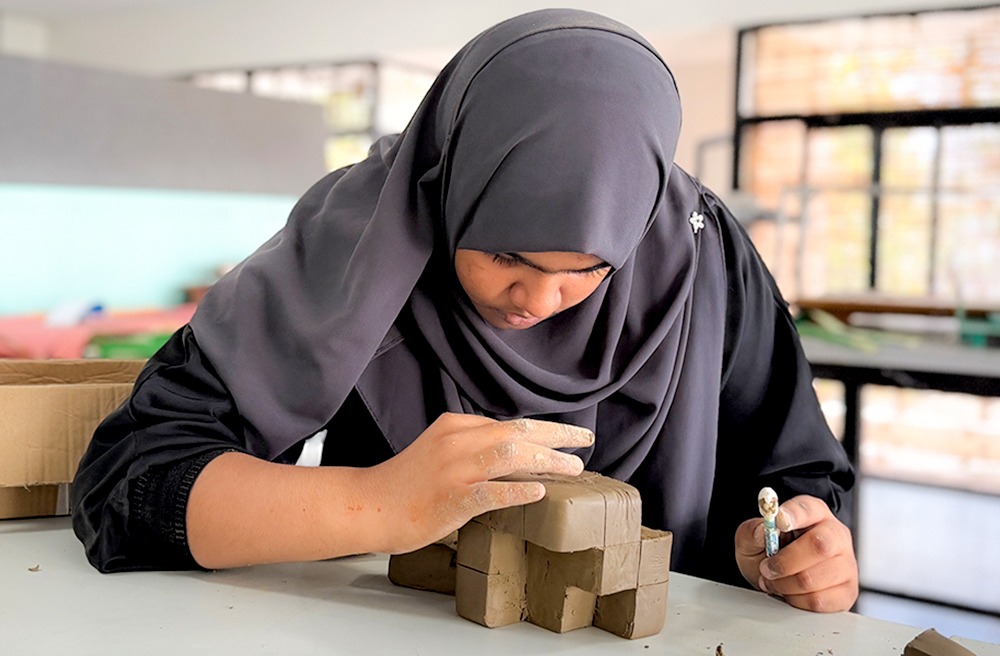
Through studio-based learning and experiential projects, students work on diverse residential, commercial, hospitality, retail, and experiential design challenges. Hands-on learning experiences include concept development, model making, CAD drafting, 3D visualization, rendering, material studies, and spatial storytelling, enabling students to transform ideas into meaningful interior environments.
The program emphasizes human-centered design principles, encouraging learners to understand user behavior, ergonomics, and environmental sustainability while designing spaces that are functional, accessible, and visually compelling. Students develop expertise in creating innovative interiors that balance aesthetics, usability, and sustainability.
With access to advanced design studios, workshops, and industry-standard software, learners build strong competencies in AutoCAD, SketchUp, 3D modeling, rendering tools, visualization techniques, and design research. Graduates of the Interior Design Specialization at CARE School of Design are prepared for careers as Interior Designers, Spatial Designers, Furniture Designers, Design Consultants, Exhibition Designers, and Interior Stylists across diverse industries.
The Interior & Spatial Design Specialisation at CARE School of Design prepares students for diverse career opportunities in the built environment and creative industries. Graduates can pursue careers as Interior Designers, Spatial Designers, Furniture Designers, Exhibition Designers, Retail Space Designers, Lighting Designers, Set Designers, Design Consultants, Visual Merchandisers, and Workplace Design Specialists. With increasing demand for functional, sustainable, and user-centred spaces, professionals skilled in interior architecture, space planning, furniture design, material selection, visualization, and design research are highly valued across residential, commercial, hospitality, retail, healthcare, and experiential design sectors. Through studio-based learning, workshops, live projects, and portfolio development, students gain the practical expertise required to succeed in the evolving world of interior and spatial design.
Students gain hands-on experience with industry-standard software and visualization tools used by architects, interior designers, and spatial design professionals. The curriculum includes training in AutoCAD, SketchUp, Rhino, Adobe Photoshop, Adobe Illustrator, Lumion, Enscape, rendering tools, digital visualization platforms, and AI-assisted design workflows. These tools help students create floor plans, interior concepts, 3D models, furniture designs, material studies, and immersive spatial experiences aligned with contemporary industry practices.
What is Interior & Spatial Design?
Interior and Spatial Design focuses on creating functional, aesthetic, and user-centred environments for residential, commercial, hospitality, retail, and public spaces.
Is Interior Design a good career in India?
Yes. Interior Design is one of the fastest-growing creative professions with opportunities in architecture firms, design studios, construction companies, retail brands, and independent consultancy practices.
Can I study Interior Design after 12th?
Yes. Students from any stream who possess Maths, Physics, Chemistry can pursue a Bachelor of Design (B.Des) in Interior and Spatial Design after completing their 12th standard.
What is the difference between Interior Design and Architecture?
Architecture focuses on building structures, while Interior Design focuses on the functionality, aesthetics, user experience, and spatial planning within built environments.
What software is used in Interior Design?
Students learn AutoCAD, SketchUp, Rhino, Adobe Photoshop, Adobe Illustrator, rendering software, visualization tools, and AI-assisted design applications.
What career opportunities are available after Interior Design?
Graduates can work as Interior Designers, Spatial Designers, Furniture Designers, Exhibition Designers, Lighting Designers, Retail Space Designers, and Design Consultants.
What skills will I learn in the Interior & Spatial Design Specialisation?
Students develop expertise in space planning, furniture design, material exploration, lighting design, CAD drafting, 3D visualization, rendering, model making, and design research.
Does CARE School of Design provide practical learning opportunities?
Yes. Students participate in studio-based projects, workshops, industry visits, design challenges, model-making exercises, and portfolio development activities.
What industries hire Interior and Spatial Designers?
Interior and Spatial Designers are employed in architecture firms, interior design studios, hospitality companies, retail brands, construction firms, event design companies, and real estate organisations.
Why choose CARE School of Design for Interior & Spatial Design?
CARE School of Design offers an AI-integrated B.Des program, industry-focused learning, advanced design studios, expert faculty, hands-on workshops, and real-world project experiences that prepare students for successful careers in interior and spatial design.
Explore Other Specialisations